The proper functioning of the drive system in a car is very important. How to bleed the clutch? This is one of the issues that should be taken care of to make sure that the car will function properly. If you suspect that something is wrong with the clutch when changing gears, be sure to diagnose the problem. We invite you to read our entry, in which we will explain what bleeding the clutch does and provide short instructions on what to do to get rid of this problem.
What does bleeding the clutch do?
If you notice a problem, it is worth taking care of it for several reasons:
- improving operating efficiency - removing air bubbles will improve force transmission in the clutch,
- better driving comfort - air in the clutch makes it very soft or, on the contrary, very hard, which makes pressing it simply unpleasant,
- extending the life of parts - bleeding the clutch prevents excessive wear of elements and allows for even load distribution, thanks to which the need for repairs will be much less frequent.
As soon as you notice disturbing symptoms or an unusual feeling when pressing the clutch pedal , check whether it is necessary to bleed it.
How to bleed the clutch in a car? Quick guide
Do you want to undertake this task yourself and are looking for information on how to bleed the clutch ? Remember that individual steps may vary depending on the car model. You can bleed the Iveco Daily clutch differently than in small, city cars. Below is a shortened instruction that will help you briefly learn how to bleed the clutch :
- check the brake fluid level - if it is low, refill the tank according to the line indicating the optimal condition,
- unscrew the wheels on the front axle of the car and loosen the bleeder screw - you can place a container under it as there is a risk of fluid leakage. Since it is a corrosive substance, take care of your safety,
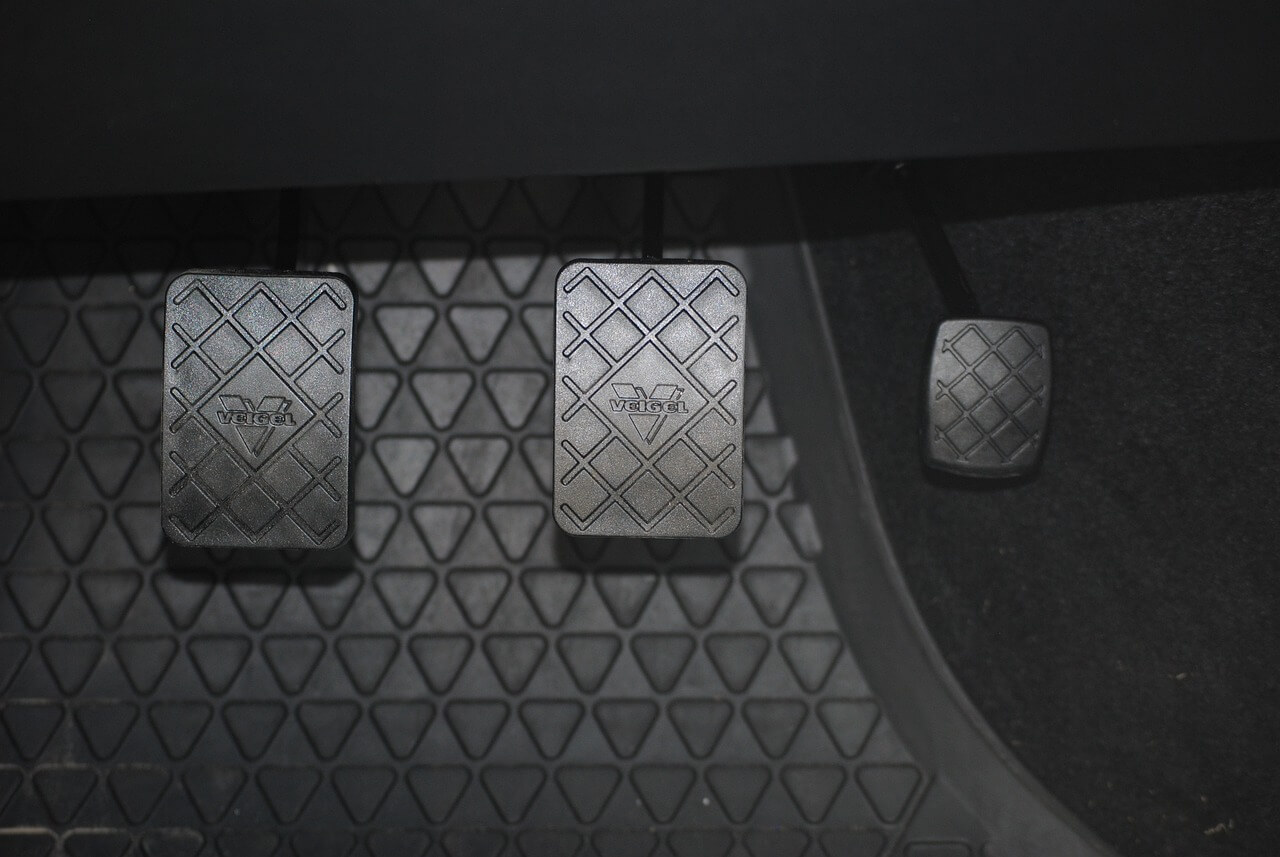
- ask someone to press the clutch pedal - the pedal should be depressed by pumping and then pressing and holding it.
- after loosening, unscrew the bleeder screw - if there was indeed air in the clutch system, you will hear hissing and fluid leakage.
- when the bleeding slows down, tighten the screw, add fluid to the reservoir and repeat until the sound of air can be heard.
If you are not experienced in this type of tasks, have the clutch bled by a professional mechanic at a car workshop.
Bleeding the hydraulic clutch – what to take care of?
The clutch system is a hydraulic mechanism, so when bleeding it and for preventive measures, always ensure the optimal amount of fluids in all tanks of the car. If you have any doubts, go to a mechanic.
Ivemax is a place where we offer quality Iveco Daily parts . Here you will find elements necessary to repair the clutch and brake system, which will be needed not only in case of faults, but also when replacing worn parts.